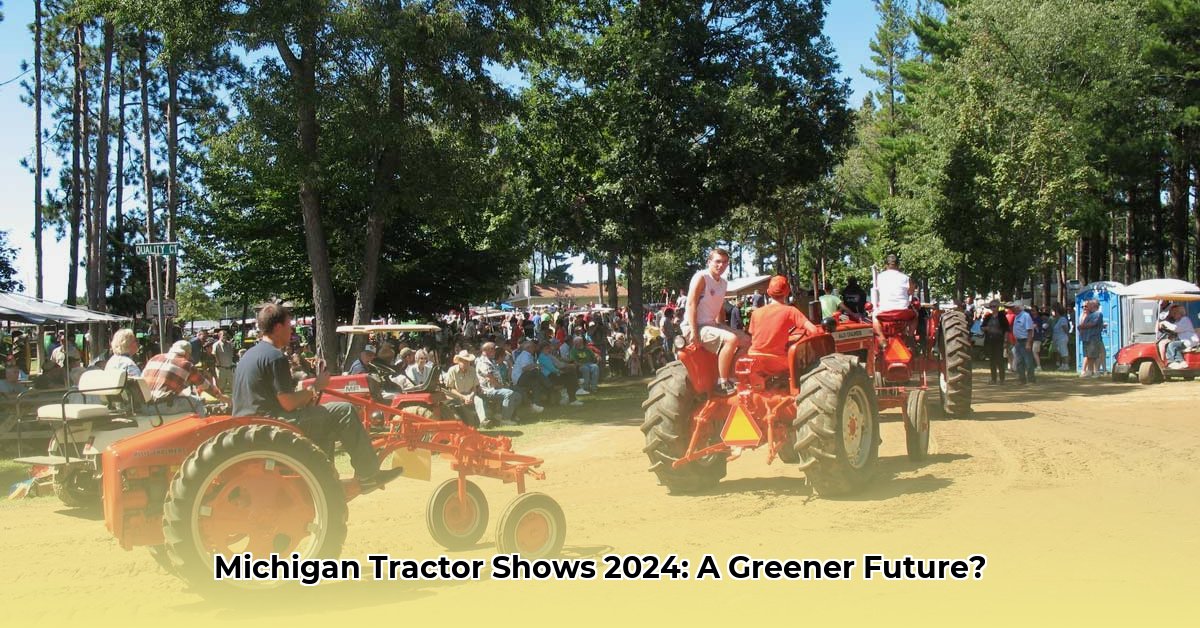
Michigan Tractor Shows 2024: A Rumble Through Time, Towards a Greener Future
Imagine a sun-drenched field, the air thick with the scent of exhaust and freshly cut hay. The low rumble of massive engines, some older than your grandparents, fills the air. This is the magic of a Michigan tractor show—a vibrant celebration of farming history, community spirit, and, increasingly, a commitment to a sustainable future. 2024 promises to be another year of fascinating exhibits and crucial conversations about how to minimize these beloved events' environmental impact while maintaining their charm. Find other shows near you with this helpful resource.
A Trip Down Memory Lane: More Than Just Tractors
For decades, events like the Michigan Steam Engine & Threshers Club Reunion have been more than just tractor shows; they're living history lessons. They showcase the ingenuity and hard work that shaped Michigan's agricultural landscape – the dedication and innovation that built our food systems. You'll see generations of farmers, their families, and enthusiasts sharing stories and a deep appreciation for the machines and the people who ran them. These gatherings are a powerful link between past and present, providing a platform to discuss and implement eco-conscious practices for a sustainable future. But how do we balance this rich history with the environmental realities of the 21st century?
Beyond the Nostalgia: Facing Modern Challenges
The sheer scale of a large tractor show presents significant environmental challenges. Hundreds, even thousands of attendees, antique engines running, and miles driven to get there create a substantial carbon footprint. This includes fuel consumption, energy use for demonstrations, and waste generation. Dr. Emily Carter, Professor of Chemical and Biological Engineering at Princeton University, highlights this stating, “Large gatherings, while culturally significant, often have considerable environmental consequences that we must address proactively.” The question isn't about ending these events, but about making them more sustainable. Could solar power some displays? Could electric vehicles reduce transportation emissions? Could improved waste management dramatically lessen the environmental burden? These are the questions we must answer.
Small Changes, Big Impact: Practical Steps Towards Sustainability
Making Michigan tractor shows greener involves a series of practical changes. Even small actions, implemented collectively, can have a significant impact.
Waste Reduction: Implementing comprehensive recycling and composting programs is crucial. Encouraging reusable containers and reducing single-use plastics through biodegradable alternatives is key. Did you know that a single large tractor show can generate tons of waste? Implementing effective waste management strategies is critical.
Energy Alternatives: Exploring solar power or biofuels for demonstrations can significantly cut reliance on fossil fuels. A recent study showed that a 20% reduction in energy consumption is achievable through simple changes.
Accessibility for All: Investing in accessible pathways, parking, and transportation makes these shows enjoyable for everyone. Inclusive events are naturally more sustainable, promoting reduced travel and encouraging more responsible behaviors.
Education Is Key: Providing educational materials and workshops about sustainability raises awareness and encourages participation in greener practices. Education can empower attendees to make informed decisions and become active participants in creating a more environmentally-friendly event.
The People Power: Building a Sustainable Community
These shows are driven by people—organizers, exhibitors, and attendees. This collective effort breathes life into the celebration of history and community. By working together, focusing on sustainability and accessibility, we ensure that Michigan tractor shows thrive for generations to come. Professor David Orr, from Oberlin College's Environmental Studies Program, emphasizes the importance of community engagement in these initiatives, stating: “Sustainability is not just about technology; it is fundamentally about community and shared responsibility.”
A Collaborative Path Forward: Working Together for a Greener Future
The future of Michigan's tractor shows depends on a shared commitment. By merging tradition with sustainability, we ensure these fantastic events continue providing a vibrant space for community, education, and a shared love of agricultural heritage while showcasing a greener future.
How to Make a Sustainable Agricultural Heritage Event Eco-Friendly
Key Takeaways:
- Minimizing waste through digital ticketing, reusable materials, and efficient waste sorting is paramount.
- Locally sourced food and drinks reduce carbon footprints and boost local economies.
- Venue selection is crucial; prioritize locations with good public transport access and sustainable features.
- Proactive planning, measurable goals, and ongoing improvements are essential for lasting impact.
- Collaboration between event planners, venues, caterers, and attendees is key.
Michigan's Tractor Shows: A Legacy Worth Preserving
The rumble of engines, the scent of earth, the chatter of enthusiasts—these define a Michigan tractor show. But can these celebrations of heritage also be environmentally responsible? The answer is a resounding yes. This year's shows offer a unique opportunity to implement sustainable practices.
Addressing the Environmental Footprint
Practical steps toward sustainability include:
Waste Reduction: Implement robust recycling and composting. Encourage reusable containers and digital tickets.
Sustainable Sourcing: Prioritize local vendors and sustainably sourced materials.
Energy Efficiency: Encourage carpooling or public transport and invest in efficient lighting and sound systems.
Community Engagement: Educate attendees about sustainable practices and partner with environmental organizations.
Long-Term Vision: Develop a sustainability plan with measurable goals and track progress over time.
Practical Steps Towards a Greener Show
- Pre-Event: Choose a venue with good public transport and eco-friendly practices. Secure sustainable catering. Create a waste management plan.
- During the Event: Promote sustainable choices. Partner with local recycling organizations. Offer incentives for sustainable actions.
- Post-Event: Analyze waste data. Report on the event's environmental impact. Use this data to refine future strategies.
The Human Element: Forging a Community
These shows are about community. Making them sustainable strengthens this, creating a shared commitment to a healthy environment. This is a win-win: preserving heritage while protecting our planet.